
Practical Ways to Reduce Food Waste at Home
Reducing food waste at home is a simple way to save money, reduce environmental impact, and make better use of the food you buy. Every year, millions of tons of edible food end up in landfills, contributing to unnecessary waste. Fortunately, there are practical steps you can take in your daily routine to minimize food waste. This guide will walk you through actionable tips and habits that help you waste less food and enjoy your meals more.
Understanding Food Waste at Home
Food waste happens when edible food is thrown away or spoils before it’s eaten. This can occur for many reasons, such as buying too much, improper storage, or not using leftovers. Recognizing where food waste happens is the first step in reducing it.
Common Causes of Food Waste
– Overbuying groceries without a plan
– Forgetting about food stored in the refrigerator or pantry
– Cooking or serving more food than needed
– Not using leftovers creatively
– Misunderstanding expiration dates
By addressing these causes, you can make a big impact on both your food budget and the environment.
Plan Your Meals and Shopping
One of the most effective ways to reduce food waste is to plan ahead.
Create a Weekly Meal Plan
– Decide meals for the week before shopping
– Check your pantry and fridge to use what you already have
– Adjust quantities to match your household size and appetite
Make a Detailed Shopping List
– Stick to your list to avoid impulse buys
– Buy loose produce when possible, so you only get what you need
– Consider purchasing “ugly” fruits and vegetables that are perfectly fine to eat but often discarded by stores
Store Food Properly to Extend Freshness
Proper storage can keep food fresh longer, helping you avoid spoilage.
Tips for Storing Produce
– Keep leafy greens in a damp cloth or paper towel inside a breathable container
– Store mushrooms in paper bags instead of plastic to prevent moisture buildup
– Keep fruits like apples and bananas separate from vegetables, as they release gases that cause other produce to ripen faster
Use Airtight Containers
– Store leftovers and opened packages in airtight containers to maintain freshness
– Label containers with the date to keep track of how long items have been stored
Use Leftovers Creatively
Leftovers can be delicious if you find creative ways to use them rather than tossing them out.
Ideas for Leftover Meals
– Turn roasted vegetables into soups or frittatas
– Use stale bread to make croutons or bread pudding
– Incorporate leftover rice or grains into stir-fries or salads
Freeze Surplus Food
– Freeze portions of meals you can’t finish right away
– Freeze herbs in oil or water cubes for easy use later
– Freeze fresh fruits near their peak ripeness for smoothies or baking
Understand Expiration Dates
Many people throw away food based on dates printed on packaging without knowing their meaning.
What Expiration Dates Mean
– “Best by” or “Best before”: Indicates peak quality, but food is often safe to eat after this date
– “Use by”: More closely related to safety and should be followed carefully
– Trust your senses—if food looks, smells, and tastes fine, it’s usually safe to consume
Compost Food Scraps
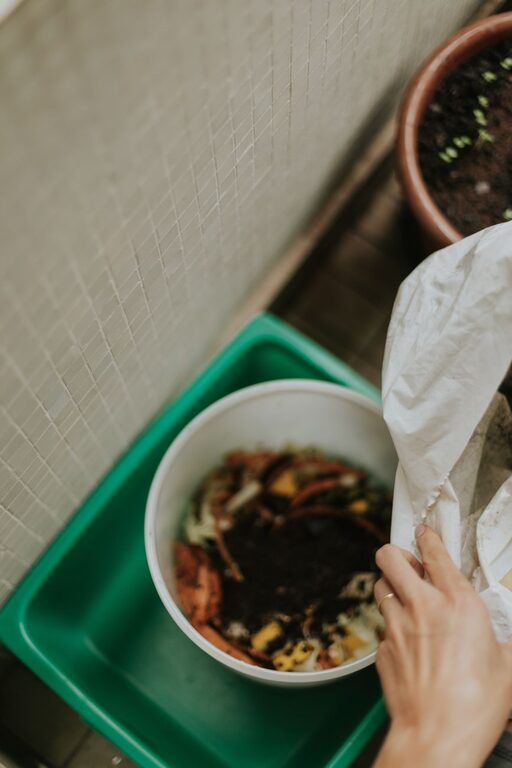
Even with careful planning, some food scraps are unavoidable. Composting helps reduce landfill waste and creates nutrient-rich soil for gardening.
What Can Be Composted
– Fruit and vegetable peels
– Coffee grounds and tea bags
– Eggshells and nutshells
– Bread and grains
Avoid composting meat, dairy, and oily foods to prevent odors and pests.
Educate Your Household
Reducing food waste works best when everyone in your home is involved.
– Share tips with family members about meal planning and storage
– Encourage mindful eating by serving smaller portions and taking seconds only if still hungry
– Involve children in cooking and composting to build good habits early
Final Thoughts
Reducing food waste at home doesn’t require drastic changes—small steps add up over time. Planning meals, storing food properly, using leftovers creatively, and composting scraps all help you save money and protect the environment. By adopting these habits, you contribute to a more sustainable lifestyle and enjoy the benefits of less waste in your kitchen.
Try starting with one or two tips today and build from there. Every effort counts!
