
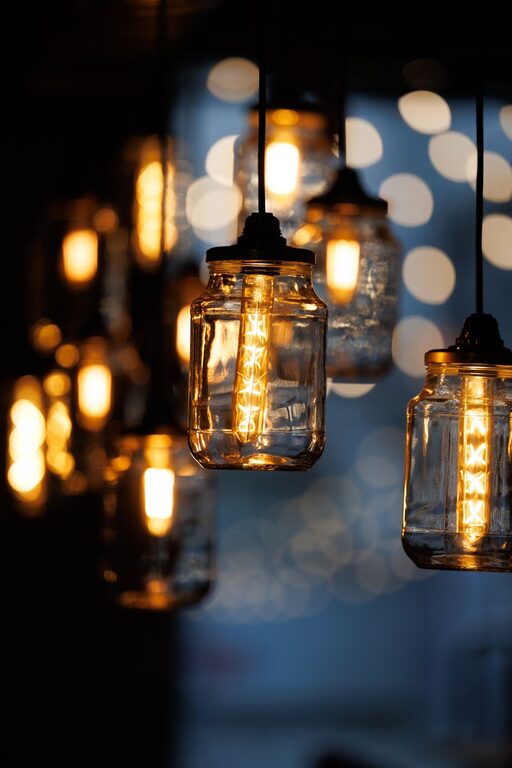
Tips for Choosing Comfortable Home Lighting to Enhance Your Living Space
Creating a comfortable and inviting atmosphere in your home starts with the right lighting. Whether you’re reading a book, hosting guests, or simply relaxing, good lighting can make all the difference. However, with so many options available, choosing lighting that feels comfortable and suits your needs can be overwhelming. This guide will walk you through essential tips for selecting home lighting that enhances both comfort and style.
Understanding the Importance of Comfortable Lighting
Lighting does more than just brighten a room — it influences mood, productivity, and even health. Poor lighting can cause eye strain and headaches, while well-planned lighting improves ambiance and functionality. Comfortable lighting balances brightness, color tone, and placement to ensure your space feels welcoming and easy on the eyes.
Consider the Function of Each Room
Every room in your home has a unique purpose, and your lighting should support that function.
– Living Room: Opt for a mix of ambient lighting (overhead lights or ceiling fixtures) and task lighting (table or floor lamps) to allow for different activities.
– Kitchen: Bright, clear lighting is essential, especially over counters and cooking areas. Under-cabinet lights are a great addition.
– Bedroom: Soft, warm lighting promotes relaxation. Consider dimmable fixtures or bedside lamps for flexibility.
– Bathroom: Bright, shadow-free lighting is important for grooming. Use lights around mirrors that mimic natural daylight.
– Home Office: A combination of ambient and task lighting helps reduce eye strain and increase focus.
Choose the Right Light Bulbs
Selecting the appropriate light bulbs is key for comfort.
Light Color Temperature
Measured in Kelvins (K), this determines whether the light appears warm, neutral, or cool.
– Warm White (2700K–3000K): Creates a cozy, inviting feel. Ideal for living rooms and bedrooms.
– Neutral White (3500K–4100K): Balanced tone suitable for kitchens, bathrooms, and workspaces.
– Cool White/Daylight (5000K–6500K): Crisp and bright, good for task-oriented areas but may feel harsh in living spaces.
Brightness (Lumens)
Brightness is not about wattage but lumens.
– Living areas: 1,500–3,000 lumens total.
– Kitchen: 3,000–4,000 lumens.
– Bedroom: 1,000–2,000 lumens.
Adjust according to room size and personal preference.
Energy-Efficient Options
LED bulbs use less energy, last longer, and produce less heat than traditional incandescent bulbs. They also come in a variety of color temperatures and brightness levels, making them a versatile choice.
Use Layered Lighting for Flexibility
Layering different types of lighting helps create a comfortable environment.
– Ambient Lighting: The main source of light, typically ceiling-mounted fixtures or recessed lights, provides overall illumination.
– Task Lighting: Focused lighting for specific activities like reading or cooking, such as desk lamps or pendant lights.
– Accent Lighting: Highlights artwork, architectural features, or plants, adding depth and interest to a room.
Combining these layers allows you to adjust lighting based on your activities and mood.
Consider Lighting Controls
Controls like dimmers, timers, and smart home systems enhance comfort and convenience.
– Dimmers: Allow you to adjust brightness to suit different times of day or activities.
– Smart Lighting: Makes it easy to change color temperature and brightness from your phone or voice assistant.
– Timers and Motion Sensors: Improve energy efficiency by ensuring lights are on only when needed.
Pay Attention to Fixture Style and Placement
Furniture layout and fixture style impact both function and aesthetics.
– Fixture Style: Choose fixtures that complement your interior design, whether modern, traditional, or rustic.
– Placement: Avoid glare by positioning lights safely away from eye level or reflective surfaces. Use lampshades to soften harsh light.
Maximize Natural Light
Natural daylight is the most comfortable and mood-boosting light source.
– Use sheer curtains or blinds to diffuse sunlight, reducing glare.
– Position mirrors to reflect natural light deeper into rooms.
– Keep windows clean and unobstructed to maximize brightness.
Test and Adjust
Lighting needs can change with seasons and activities. Test your lighting setup and adjust as needed.
– Try different bulb types and brightness levels.
– Rearrange lamps or fixtures if shadows or glare are uncomfortable.
– Don’t hesitate to add or remove layers of lighting to find what feels best.
Final Thoughts
Choosing comfortable home lighting involves understanding your space, selecting appropriate bulbs, layering light sources, and incorporating controls. Embrace energy-efficient technologies and take advantage of natural light whenever possible. With thoughtful planning and attention to detail, your home lighting can enhance comfort, functionality, and style, making every room a pleasant place to be.
