
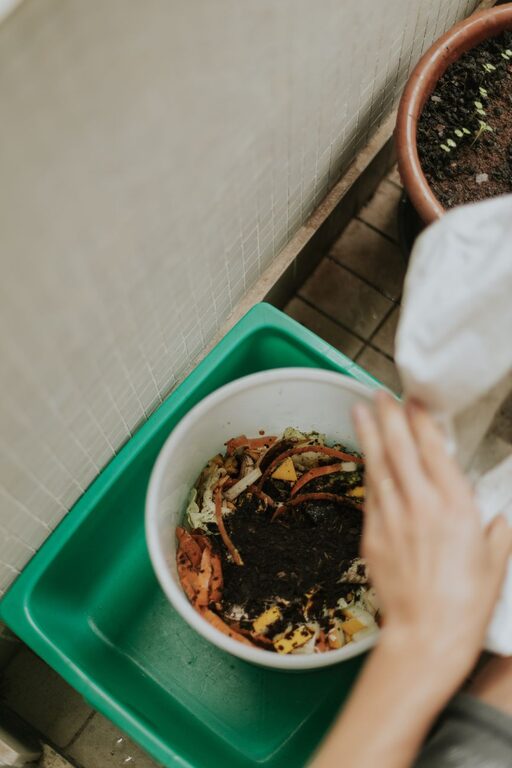
Beginner Tips for Composting at Home: A Simple Guide to Get Started
Composting at home is a fantastic way to reduce waste, enrich your garden soil, and contribute to a healthier planet. If you’re new to composting, it might seem a bit daunting at first, but with a few simple tips, you can start creating your own nutrient-rich compost in no time. This guide will walk you through the basics and help you set up your own compost system.
What Is Composting?
Composting is a natural process where organic materials like food scraps and yard waste break down into a dark, crumbly substance called compost. This compost acts as a rich fertilizer that improves soil quality and helps plants grow.
Why Compost at Home?
– Reduces landfill waste: Composting diverts kitchen scraps and yard waste from landfills.
– Improves garden soil: Compost adds nutrients and helps retain moisture.
– Saves money: You can reduce the need for store-bought fertilizers.
– Eco-friendly: It lowers greenhouse gas emissions by reducing waste.
Getting Started: Choosing a Composting Method
There are several ways to compost at home. Choose the method that fits your space and lifestyle.
1. Compost Bin
A compost bin is a container specially designed for composting. It keeps materials contained and helps maintain moisture and warmth.
– Ideal for small to medium gardens or patios.
– Available in various sizes and materials.
– Helps keep pests away.
2. Compost Pile
If you have a backyard, you can create a simple compost pile by stacking materials.
– Requires more space.
– Easier to turn and manage.
– Cost-effective since no container is needed.
3. Worm Composting (Vermicomposting)
Using worms to break down organic waste is a great option for indoor composting.
– Suitable for small spaces and apartments.
– Produces nutrient-rich worm castings.
– Requires a worm bin and proper care.
What to Compost: What Goes In and What Stays Out?
Green Materials (Nitrogen-rich)
These provide nitrogen and help heat up the compost.
– Fruit and vegetable scraps
– Coffee grounds and tea bags
– Grass clippings
– Fresh plant trimmings
Brown Materials (Carbon-rich)
These add carbon and provide structure, helping with aeration.
– Dry leaves
– Straw or hay
– Shredded newspaper or cardboard
– Small branches or twigs
Avoid Composting These
– Meat, dairy, and oily foods (attract pests)
– Diseased plants or weeds with seeds
– Pet waste
– Treated wood or synthetic materials
Tips for Successful Composting
1. Keep a Good Balance
Aim for a balance of green and brown materials. A roughly 2:1 ratio of browns to greens helps maintain proper decomposition.
2. Chop or Shred Materials
Smaller pieces break down faster. Chop scraps and shred brown materials before adding them to the pile or bin.
3. Turn Your Compost Regularly
Aerate your compost by mixing it every one to two weeks. This speeds up decomposition and prevents odors.
4. Maintain Moisture
Your compost should be as damp as a wrung-out sponge. Add water if it’s dry, or add more brown materials if it’s too wet.
5. Be Patient
Composting can take anywhere from a few weeks to several months depending on conditions. Your pile is ready when it looks, feels, and smells like rich, dark soil.
Troubleshooting Common Composting Issues
– Bad odor: Too much green material or not enough air. Turn the pile and add browns.
– Pile too dry: Add water or green materials.
– Pests: Avoid meat and oily foods; keep bin closed.
– Slow decomposition: Chop materials finely and turn more often.
Using Your Finished Compost
Once compost is ready, you can mix it into garden beds, use it as mulch, or add it to potting mixes. It improves soil texture, helps retain moisture, and provides essential nutrients for healthy plants.
Final Thoughts
Starting a composting habit at home is rewarding and environmentally friendly. By following these beginner tips, you’ll create nutrient-rich compost that benefits your garden and the planet. Remember to start small, be consistent, and learn as you go. Composting is a journey toward a greener lifestyle!
Happy composting!
